Understanding the Cultural Impact of Jueteng
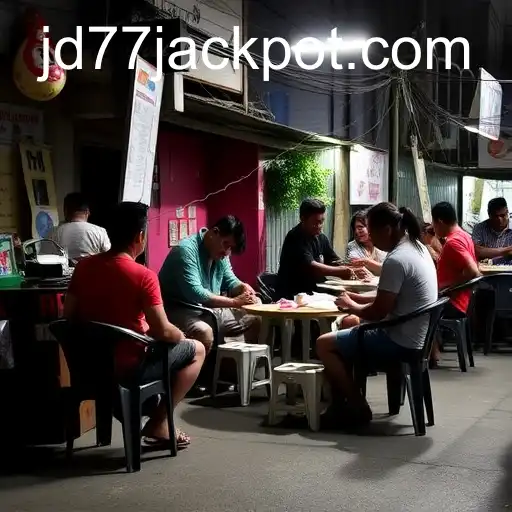
Jueteng is a popular numbers game that has persisted in the social and cultural fabric of the Philippines for many decades. Despite being deemed illegal, the game continues to thrive in many parts of the country, often under the radar and fueled by a cultural acceptance that outweighs legal ramifications. Understanding the reasons behind its enduring popularity requires an exploration of its historical roots and societal implications.
The Historical Roots of Jueteng
Originating during the Spanish colonial period, Jueteng is believed to have found its way to the Philippines in the 19th century. Its simplicity made it accessible to both the elite and the masses, turning it into a beloved pastime for many Filipinos. The game involves bettors choosing a combination of numbers and placing a small wager, hoping to win a cash prize if their numbers are drawn. The clandestine nature of the game has allowed it to spread widely, adapting over time but maintaining its core appeal.
The Socioeconomic FactorsOne of the primary reasons for Jueteng's continued allure is its socioeconomic context. For many Filipinos, this form of gambling offers a glimmer of hope, a chance to escape poverty or financial hardship through a stroke of luck. In regions where economic opportunities are limited, Jueteng symbolizes an alternative means to achieve financial gain. Moreover, the promoters of Jueteng, known as 'kubradors', are often members of the community, which fosters a level of trust and acceptance among the locals.
The Political Nexus
Jueteng's relationship with politics cannot be overlooked. Over the years, it has been involved in numerous political scandals, with allegations of officials receiving kickbacks to allow the game to proliferate. These alliances between Jueteng operators and local authorities have enabled the game to continue largely unchallenged, despite recurring government crackdowns.
The Rise of Online Gambling Platforms like jd77.com
In recent years, the landscape of gambling has been significantly transformed by the advent of online platforms such as jd77.com. These platforms offer a digital alternative to traditional Jueteng, providing convenient access to gambling activities through computers and smartphones. The shift to online gambling has not only globalized the reach of such games but also introduced regulatory challenges and opportunities.
Convenience and AccessibilityOnline platforms like jd77.com have capitalized on the growing internet penetration and smartphone usage in the Philippines. These platforms allow users to place bets and participate in various games from the comfort of their homes, eliminating the need for physical presence and the inherent risks involved in illegal gambling operations. This convenience has attracted a new generation of gamblers who might not have participated in traditional Jueteng.
Economic and Regulatory Implications
The rise of online gambling has significant economic implications. On one hand, it provides a substantial revenue stream that can contribute to the economy when regulated properly. However, it also poses challenges for regulatory bodies that struggle to keep pace with technological advancements and ensure fair play and protection for consumers. The proliferation of platforms like jd77.com necessitates stringent regulations to curb illegal operations and protect vulnerable segments of the population.
Public Perception and Cultural Shifts
While Jueteng remains ingrained in Filipino culture, the shift towards online gambling is indicative of a broader cultural change. Among younger generations, there is an increasing preference for digital solutions, which is reflected in the growing user base of online gambling platforms. This shift is reshaping traditional notions of gambling and its role in society.
Conclusion
The tradition of Jueteng and the modern allure of platforms like jd77.com highlight the complex relationship between cultural practices, economic realities, and technological evolution. Understanding this dynamic is crucial for policymakers, communities, and individuals as they navigate the changing landscape of gambling in the Philippines.